
How to Budget for a Roof Replacement or Repair

Roof replacements and repairs are significant investments for homeowners, often leading to unexpected financial strains. Understanding how to budget for these essential home improvements can save you both stress and money. This blog will guide you through the various aspects of budgeting for a roof replacement or repair, equipping you with the knowledge needed to make informed decisions.
Understanding Your Roof Budget
Before diving into the budgeting process, it is vital to understand the potential costs associated with roof replacement or repair. Factors influencing the budget include the size of the roof, materials used, and labor costs.
Typically, roof replacement costs can range from $5,000 to $30,000 or more, depending on these factors. According to the National Roofing Contractors Association, the average cost of a new roof in the United States falls around $7,000 to $12,000 for a standard 2,000 square foot home.
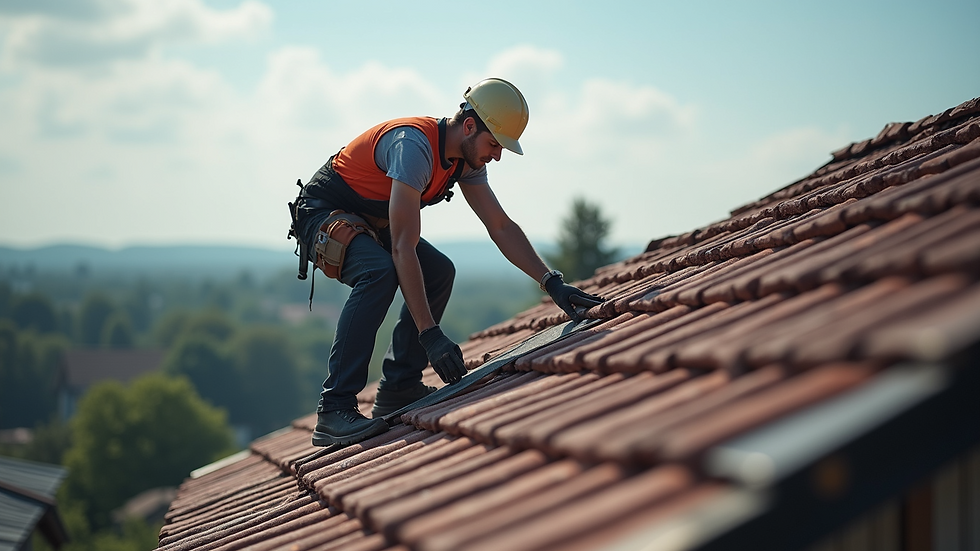
Factors to Consider in Your Roof Budget
When budgeting for a roof, there are several crucial factors to consider:
Roof Size: The larger the roof, the more material and labor costs you'll incur. Measure your roof's square footage to get a clearer cost estimate.
Material Choices: Different roofing materials come with varying price tags. Asphalt shingles are usually the most affordable, while slate and tile roofs can be significantly more expensive. Evaluate the durability and warranty of each material to determine the best fit for your budget.
Labor Costs: Labor is a considerable part of your roofing budget. Be sure to inquire about the daily rates of contractors in your area. The complexity of the installation may also affect labor costs, so you'll want to discuss this with your contractor.
Permits and Fees: Some municipalities require building permits for roof replacement or major repairs. Check local regulations to avoid unexpected fees.
Additional Repairs: If you’re replacing your roof, there may be underlying issues that need addressing. Water damage, mold, or outdated insulation can add to your budget. Factor these in when assessing your overall costs.

Do Any Roofers Offer Financing?
Yes, many roofing contractors offer financing options to help homeowners afford the costs associated with roof repairs and replacements. This can be a lifesaver, especially if you weren't Financially prepared for these unexpected expenses.
It’s important to inquire about financing options while getting quotes. Some companies partner with third-party lenders that specialize in home improvement loans. These lenders often extend credit to homeowners even if they have less-than-perfect credit scores.
Remember to read the fine print of any financing agreement. Interest rates, repayment terms, and unexpected fees can significantly impact the overall cost of your roof. If you're exploring alternatives, consider researching different types of roof financing options that may suit your needs better.
Saving on Roof Replacement or Repair Costs
While many factors are outside of your control, there are ways to save money on roof replacement or repair:
Timing Your Project: Roofing contractors have busy seasons, often in the spring and summer months. Scheduling your roof work during the off-peak season (fall or winter) might save you money, as contractors may offer discounts to fill their schedules.
Performing Regular Maintenance: Regular inspections and minimal repairs can delay the need for a full replacement. Issues like missing shingles or minor leaks can often be fixed without requiring a complete overhaul.
DIY for Smaller Repairs: For minor repairs, such as replacing a few shingles or cleaning gutters, consider tackling the project yourself. This can save you labor costs, but be sure you're comfortable with heights and the tools necessary for the job.
Insurance Claims: If your roof has been damaged by a storm or other covered events, your homeowner's insurance may cover the cost of repairs or replacement. Document any damage thoroughly and file a claim with your insurance company as soon as possible.
Energy Efficiency Upgrades: If you are going through a full replacement, consider investing in energy-efficient materials. They may cost more upfront but can lead to significant savings on your energy bills in the long run.

Planning for the Unexpected Costs
Even with a well-thought-out budget, unexpected costs can arise during a roofing project. It's essential to prepare for these contingencies to avoid financial strain.
One effective strategy is to set aside a contingency fund, generally recommended to be at least 10-20% of your total roof budget. This fund can cover additional costs that arise, such as structural repairs, increased labor costs, or even price changes in materials.
Open communication with your contractor throughout the process can also reduce surprises. Regular updates can help identify any issues early, allowing you to adjust your budget accordingly.
Navigating Your Roof Budget Effectively
Successfully budgeting for a roof replacement or repair involves careful consideration of various factors. Understanding your options, thoroughly researching contractors, and planning for unexpected costs are essential steps in ensuring a smooth process.
Remember to keep records of all expenses and ensure that you stay in close contact with your contractor. A well-structured budget not only prepares you for the financial aspects but also empowers you to make decisions that align with your home's needs and your personal financial situation.
For homeowners tackling roof projects, don't underestimate the importance of sound financial planning. By gathering quotes, exploring financing options, and being prepared for the unexpected, you can confidently budget for a roof that will protect your home for years to come.


Comments