
The Benefits of Updating Your Home's Exterior Siding
- A&R Exteriors
- Nov 10, 2025
- 3 min read

Updating your home's exterior siding is a smart investment that can transform the look and feel of your property. Beyond aesthetics, new siding offers practical advantages that improve your home's durability, energy efficiency, and value. Whether you are considering a complete overhaul or just want to refresh your home’s appearance, understanding the benefits of siding materials can help you make an informed decision.
Enhancing Curb Appeal with New Home Siding
One of the most immediate benefits of updating your home siding is the boost in curb appeal. The exterior of your home is the first thing visitors and potential buyers notice. Over time, siding can fade, crack, or become damaged due to weather exposure. Replacing old siding with fresh, updated materials can dramatically improve your home's appearance.
Variety of styles and colors: Today’s siding options come in a wide range of colors, textures, and finishes. You can choose from traditional wood looks, sleek modern panels, or classic vinyl siding that mimics natural materials.
Customization: New siding allows you to customize your home’s exterior to match your personal style or neighborhood trends.
Increased property value: A well-maintained exterior can increase your home’s market value and attract more buyers if you decide to sell.

Improving Energy Efficiency and Comfort
Old or damaged siding can lead to drafts and heat loss, making your home less energy efficient. Updating your siding can significantly improve your home's insulation and reduce energy bills.
Better insulation: Modern siding materials often come with built-in insulation or can be paired with additional insulation layers to keep your home warmer in winter and cooler in summer.
Reduced energy costs: Improved insulation means your heating and cooling systems don’t have to work as hard, lowering your monthly utility bills.
Moisture protection: New siding helps prevent moisture infiltration, which can cause mold, mildew, and structural damage.
For example, opting for composite siding installation is a popular choice because it is durable, low-maintenance, and offers good insulation properties.
Increasing Durability and Reducing Maintenance
Old siding can deteriorate due to weather, pests, and time. Updating your siding enhances your home's durability and reduces the need for frequent repairs.
Weather resistance: New siding materials are designed to withstand harsh weather conditions such as heavy rain, wind, and UV rays.
Pest resistance: Certain siding types, like vinyl or composite, are less susceptible to damage from insects like termites.
Low maintenance: Modern siding often requires minimal upkeep. Unlike wood, it doesn’t need regular painting or sealing.
This means you can spend less time and money on maintenance and more time enjoying your home.
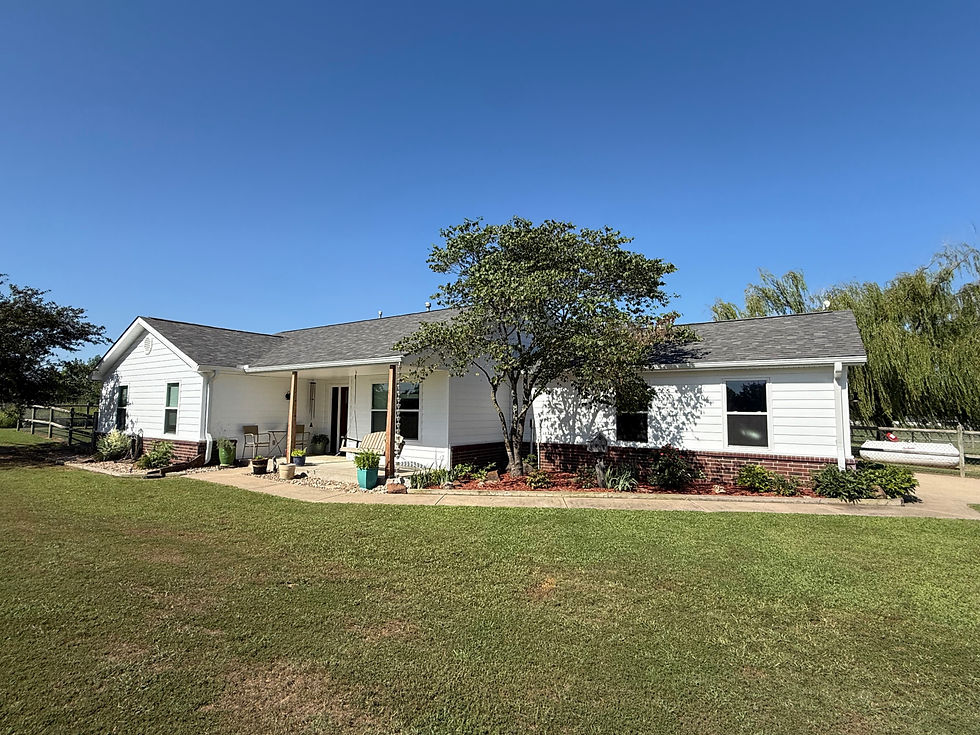
Boosting Home Value and Marketability
Investing in new siding is not just about immediate benefits; it also pays off in the long run by increasing your home's resale value.
Attractive to buyers: Homes with updated siding are more appealing to buyers who want a move-in ready property.
Higher appraisal value: New siding can increase your home’s appraisal value, which is beneficial if you plan to refinance or sell.
Faster sale: Homes with fresh exteriors tend to sell faster because they make a strong first impression.
Real estate experts often recommend siding updates as one of the top home improvement projects for return on investment.
Environmental Benefits of Modern Siding Materials
Choosing the right siding can also have positive environmental impacts. Many modern siding options are designed with sustainability in mind.
Recyclable materials: Some siding products are made from recycled materials and can be recycled again at the end of their life.
Energy savings: Improved insulation reduces energy consumption, lowering your carbon footprint.
Long lifespan: Durable siding means less frequent replacement, reducing waste over time.
By selecting eco-friendly siding, you contribute to a healthier environment while enhancing your home.
Planning Your Siding Update
Before starting your siding project, consider these practical steps:
Assess your current siding: Identify any damage, wear, or insulation issues.
Choose the right material: Consider factors like climate, budget, maintenance, and style.
Hire professionals: Proper installation is key to maximizing benefits. Look for experienced contractors.
Budget accordingly: Include costs for materials, labor, and any additional insulation or repairs.
Check local regulations: Some neighborhoods have guidelines on exterior changes.
Taking the time to plan ensures a smooth process and a successful siding upgrade.
Final Thoughts on Home Siding Updates
Updating your home siding is a valuable way to improve your property’s appearance, comfort, and value. With a wide range of materials and styles available, you can find the perfect fit for your home’s needs and your personal taste. Whether you choose vinyl, composite, LP SmartSide, or another option, investing in quality siding and professional installation will pay off for years to come.
Consider exploring options like vinyl siding installation to enjoy a durable, low-maintenance, and energy-efficient exterior that enhances your home’s beauty and performance.


Comments