
The Benefits of Updating Your Home’s Siding
- A&R Exteriors
- Oct 23, 2025
- 4 min read

Updating your home’s siding is a smart investment that can transform the look, feel, and value of your property. Whether your siding is old, damaged, or simply outdated, replacing it can bring numerous advantages. From improving curb appeal to enhancing energy efficiency, new siding offers practical benefits that homeowners should not overlook. This article explores the key siding benefits and provides useful insights to help you make an informed decision.
Why Updating Your Siding Matters: Key Siding Benefits
One of the most compelling reasons to update your home’s siding is the improvement in appearance. Over time, siding can fade, crack, or warp due to exposure to the elements. New siding instantly refreshes your home’s exterior, giving it a clean, modern look that can boost curb appeal. This is especially important if you plan to sell your home, as first impressions matter greatly to potential buyers.
Another major benefit is increased protection. Siding acts as a shield against weather conditions such as rain, wind, snow, and UV rays. Modern siding materials are designed to be more durable and resistant to damage, helping to prevent moisture infiltration and pest intrusion. This protection extends the lifespan of your home’s structure and reduces costly repairs.
Energy efficiency is also a significant advantage. Many new siding options come with insulation or can be paired with additional insulating layers. This helps maintain a consistent indoor temperature, reducing heating and cooling costs. Over time, the savings on energy bills can offset the initial investment in new siding.
Finally, updating your siding can reduce maintenance efforts. Older siding materials often require frequent painting, sealing, or repairs. Newer materials like composite clad or lp smartside are low-maintenance and easy to clean, saving you time and money in the long run.
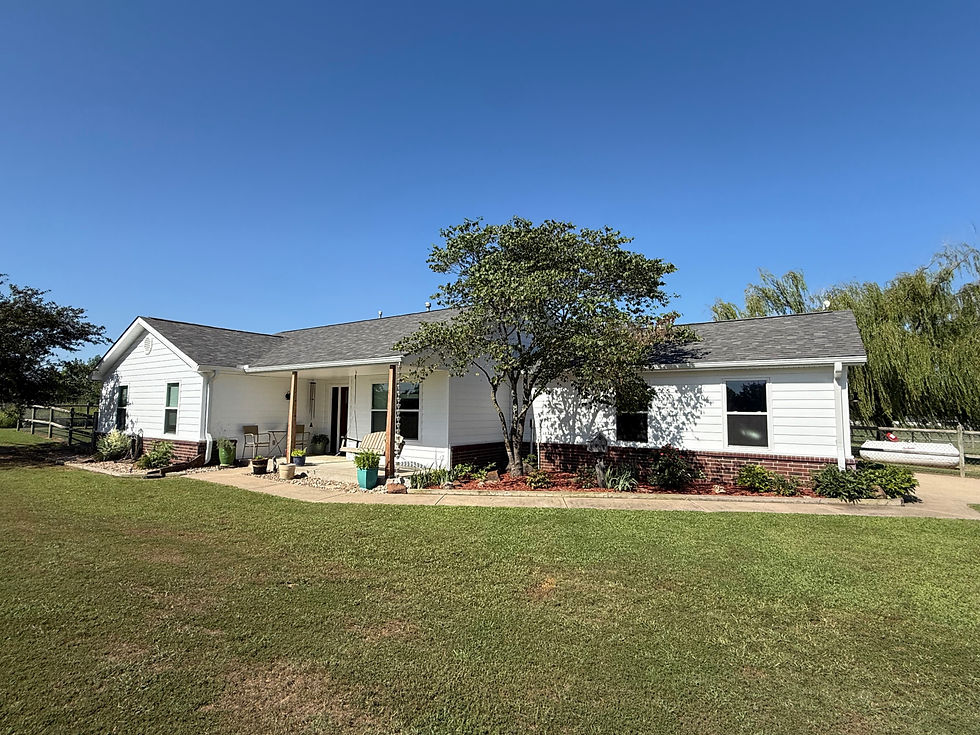
What Holds Vinyl Siding in Place?
Understanding how vinyl siding stays securely attached to your home can help you appreciate its durability and ease of maintenance. Vinyl siding is designed with a unique locking system that allows each panel to snap into place over the one below it. This interlocking mechanism ensures a tight fit that resists wind uplift and prevents water from seeping behind the panels.
Additionally, vinyl siding is installed over a moisture barrier and attached to the exterior wall with nails or screws through the nailing flange. The fasteners are not driven tightly but left slightly loose to allow for expansion and contraction caused by temperature changes. This flexibility prevents warping and buckling, which can occur with rigid materials.
Proper installation is crucial for vinyl siding to perform well. Professional installers follow specific guidelines to ensure panels are level, secure, and properly overlapped. This careful process helps maintain the siding’s integrity and appearance for many years.

Enhancing Home Value with New Siding
Investing in new siding can significantly increase your home’s market value. Real estate experts agree that siding replacement offers one of the highest returns on investment among home improvement projects. A fresh exterior signals to buyers that the home has been well cared for and reduces concerns about future repairs.
When choosing siding materials, consider options that appeal to a broad range of buyers. Vinyl siding is popular due to its affordability, variety of colors, and low maintenance. LP Smartside siding offers a more upscale look with excellent durability.
Beyond aesthetics, energy-efficient siding can be a strong selling point. Homes with insulated siding or added insulation layers often qualify for energy rebates and certifications, which can attract environmentally conscious buyers.
To maximize value, pair your siding update with other exterior improvements such as new windows, doors, or landscaping. This comprehensive approach creates a cohesive and inviting appearance that stands out in the market.

Practical Tips for Choosing the Right Siding
Selecting the right siding for your home involves balancing style, budget, and performance. Here are some practical tips to guide your decision:
Assess your climate - Choose siding materials that withstand local weather conditions. For example, vinyl siding performs well in most climates but may require additional insulation in colder regions.
Consider maintenance - If you prefer low upkeep, vinyl or composite clad siding are excellent choices.
Match your home’s style - Select siding colors and textures that complement your home’s architecture. Many manufacturers offer samples or virtual design tools to help visualize options.
Check warranties - Look for siding products with strong warranties that cover fading, cracking, and other common issues.
Hire experienced installers - Proper installation is key to siding longevity. Research local contractors and read reviews before committing.
For those interested in vinyl siding, professional vinyl siding installation ensures the job is done correctly, maximizing the siding’s benefits and lifespan.
Long-Term Benefits Beyond Aesthetics
While the immediate visual impact of new siding is obvious, the long-term benefits are equally important. Updated siding can:
Improve energy efficiency by reducing drafts and heat loss.
Protect against moisture damage that can lead to mold and rot.
Enhance structural integrity by shielding framing materials.
Reduce pest problems by sealing entry points.
Lower insurance premiums in some cases due to improved home resilience.
By investing in quality siding and professional installation, homeowners can enjoy peace of mind knowing their home is better protected and more comfortable year-round.
Updating your home’s siding is more than just a cosmetic upgrade. It is a strategic improvement that offers lasting value, protection, and energy savings. Whether you choose vinyl, composite clad, or lp smartside, the benefits of new siding make it a worthwhile project for any homeowner looking to enhance their property.


Comments